
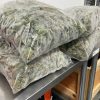
Hemp extraction is the process of isolating certain compounds from hemp plant material, such as terpenes, CBD, THC, CBG, CBN, and other cannabinoids.
Hemp is a type of cannabis plant that is grown specifically for consumable or industrial use. Along with bamboo, industrial hemp is one of the fastest-growing plants on Earth, making it cost-efficient and sustainable. It is used to make paper, textiles, paint, biodegradable plastics, and food, among other things.
There are various hemp extraction methods, both solvent-based and solventless.
- Solvent-based hemp extraction methods are more efficient. They dissolve cannabinoids and terpenes from the plant material for a concentrated result. This is cost-effective for both manufacturers and consumers.
- Solventless hemp extraction methods separate the trichomes and resin from the plant material using manual processes. These methods are used for boutique hemp plants that are grown for smokables or extraction (rather than field hemp).
Regardless of the method used, employing a cutting-edge pre-extraction step to reduce hemp biomass makes the rest of your process more efficient. You’ll get a higher yield in less time and use fewer processing materials.
Pre-Extraction Step: Biomass Reduction
Before you begin separating your trichomes from your plant material, reduce your volume of raw hemp Cannabis sativa biomass by passing it through the XLS Pro. By getting rid of the waste, trichomes or cannabinoids will be collected more efficiently when you begin your chosen extraction process. That means less time, less labor, and less solvent used (for solvent-based extraction), while obtaining the cannabinoid and terpene composition you’re after.
Keep in mind that the solventless methods we describe below are good for boutique, premium-quality hemp. Solvent-based methods like ethanol and CO2 are best for field or industrial hemp strains. Hydrocarbon extraction falls in the middle.
Ice Water Extraction Process
Ice water extraction is a solventless method used for both cannabis and hemp. Trichomes are separated from the plant material using cold water and sometimes ice, resulting in bubble hash. The OG, XL, and XLS are all great machines for making ice water hash.
1. Gentle Agitation
Plant material is submerged in freezing water (a 50/50 ratio of ice to water is recommended) and stirred gently for about 10 minutes. It’s important not to be too rough, or the trichomes will be damaged. The trichomes on the plant material eventually separate and fall away.
2. Sifting
The trichomes are now passed through multiple screens, which decrease in size each time, until all remaining plant material has been separated out.
3. Dry and Cure
The resulting product is dried to make bubble hash. It can either be air-dried or dried in a freeze dryer according to the manufacturer’s instructions.
Rosin Press Method
Rosin is made by applying heat and pressure to bubble hash to release the cannabinoid and terpene-containing resin.
1. Choose Your Starting Material
Rosin can be made using whole hemp flowers, kief, or hash (including bubble hash and dry sift). If you use kief or hash as your starting material, the result is a more potent and pure concentrate, as it does not include the fats and oils that are present in the whole flower.
2. Heat the Hemp Material
Heat your rosin plates, cover them with parchment paper, place your hemp flowers or hash into rosin bags, and squeeze the bags between the heated plates.
This releases cannabinoids and terpenes from the trichomes, making a rosin concentrate that oozes out and down the parchment paper.
3. Collection
Scrape the rosin off the parchment paper and into an airtight glass jar.
Pro tip: We sell solventless live rosin bundles with everything you need to get started, including a freeze dryer, Original Resinator OG, rosin press, and custom-drilled stainless steel equipment stand.
Hydrocarbon Extraction
Hydrocarbon extraction is a solvent-based method that is more often used on marijuana than the hemp plant. However, any kind of starting material can be used, including hemp trim, fresh flower, dried flower, hash, or sift. Please note that this method should be performed by professionals in a C1D1 room with a closed-loop extraction system. Don’t try this at home.
If you reduce your starting biomass first with our XLS Pro and liquid nitrogen, our tests show that*:
- The amount of solvent needed is reduced by at least 80 percent.
- Labor hours are reduced by 85 percent.
- Yields are increased by 7.48 percent.
*When compared to using whole-plant material for hydrocarbon extraction.
1. Extraction Column
Your raw starting material is packed into an extraction column. If biomass reduction is performed first, the column will contain a much higher percentage of trichomes.
2. Solvent Application
Hydrocarbons such as butane or propane (or both) are now introduced into the extraction column, where they dissolve the trichomes.
3. Vacuum Purging
The solvent residue is purged from the hemp extract under a vacuum.
CO2 Extraction
CO2 extraction was one of the first solvent extraction methods devised. It is unique in that there is never any solvent left after processing. This method uses supercritical carbon dioxide to dissolve the active compounds in your starting material.
Its limitation is that it can only be performed on dry material, usually hemp or marijuana trim. The machinery for CO2 extraction is also very expensive. So while this method is efficient, it is only viable for commercial-scale extraction.
1. Application
Carbon dioxide is pushed through the plant material to extract the active compounds.
2. Evaporation
The carbon dioxide evaporates completely, leaving you with a solvent-free hemp oil extract.
Ethanol Extraction
Ethanol extraction is the popular choice if you need to process a large amount of hemp material or turn low-quality material into something more saleable. Like CO2 extraction, the setup is expensive, so this method is used primarily for commercial-scale production.
There are different methods of ethanol extraction. Cold ethanol extraction with a centrifuge (explained here) is one of the most common.
1. Grind the Plant Material
Grind your hemp, or preferably perform biomass reduction with the XLS Pro, to begin your process with a more concentrated percentage of active compounds.
2. Load and Soak
Place your reduced biomass into an extraction vessel and soak in pre-chilled ethanol. Ethanol at this temperature dissolves the cannabinoids and terpenes without pulling in much of the fats.
3. Spin in the Centrifuge
After soaking, spin your mixture to remove as much liquid as possible.
4. Filter the Ethanol Solution
The resulting liquid is an ethanol solution, which now gets passed through mesh filters or a filtration system to remove any unwanted remains.
5. Ethanol Removal
The ethanol is now removed from the crude oil using an evaporation unit, leaving your ethanol extraction process complete.
FAQ
What Is Full-Spectrum Hemp Extract?
Full-spectrum hemp extract is made from the whole hemp plant, including flowers, leaves, and stems. This results in the full range of cannabinoids and other compounds being present in the final extract, i.e., a full-spectrum product.
What Is Hemp Extract Used for and What Are Some of the Benefits?
Hemp extract is commonly used as a dietary supplement (as it is high in fatty acids), topically for skin conditions such as eczema, acne, and psoriasis, to relieve constipation, to help manage anxiety and stress, and to improve sleep.
How Does Hemp Extract Make You Feel?
Hemp extract contains little THC but is higher in CBD and other cannabinoids. This results in a more mellow experience. It may also decrease pain and help you feel more comfortable.
Does Hemp Extract Get You High?
No. Hemp is very low in THC (less than three-tenths of one percent), so it won’t make you high.
What Are the Side Effects of Hemp Extract?
The most common side effects of hemp extract are diarrhea, stomach cramps, nausea, dry mouth, dizziness (due to effects on blood pressure), drowsiness, fatigue, and changes in appetite.
Less common but more serious side effects include interactions with other medications, allergic reactions, and liver damage. It’s especially advisable to speak with a medical professional before using hemp extract if you take blood thinners, anti-epileptics, or any other drugs that are metabolized by the liver.
Is Hemp Extract Safe?
Hemp extract is considered safe, especially when obtained from legitimate sources and taken in responsible amounts. The main safety concerns to watch out for are interactions with other medications.
Is Hemp Extract Illegal?
Hemp extract is legal in most states, but please check the laws for your area. Hemp, by definition, has less than three-tenths of one percent of Delta-9 THC, making it exempt from the criminal and legal definitions of marijuana.
Will Hemp Extract Fail a Drug Test?
Full-spectrum hemp extract could cause you to fail a drug test, as even the small amounts of THC present will be detected.
Hemp Extract vs CBD
Hemp and CBD extracts are usually made from the same plant. However, hemp contains more than just CBD. It also includes a variety of terpenes and other cannabinoids.
Hemp Extraction Takeaways
Hemp extraction can be performed using a variety of methods, both solvent-based and solventless. Each method results in varying amounts of terpenes, CBD, and other cannabinoids.
Being a fast-growing plant, hemp is a cost-effective and sustainable starting material to use for extraction. Further efficiencies can be garnered by reducing the biomass of your starting plant material with the XLS Pro. It’s a no-brainer if you want to cut down on labor time and increase extraction yields. Contact us to learn more.