
The choice between live resin and live rosin comes down to your budget for equipment, desired yield, and target market.
If you’re in the cannabis industry, you’ve probably heard people debate live resin vs live rosin. They might sound similar, but they’re very different in how they’re made and the type of customer they attract.
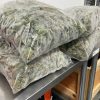
Both methods start with fresh-frozen cannabis flower or biomass. This preserves terpene content better than traditional dried flower extraction, which is one of the key reasons why live extraction methods dominate premium concentrate markets.
Understanding both processes will help you identify which option is best for your business.
What Is Live Resin?
Live resin is a cannabis concentrate made using butane or propane. These solvents extract cannabinoids and terpenes from fresh-frozen cannabis flower or plant material (such as trim).
Extractors harvest cannabis plants at peak ripeness. They then freeze the material to 0°F or below. This dramatically slows terpenes’ rate of volatilization. These terpenes would otherwise degrade much faster during drying and curing.
The frozen material goes through high-tech closed-loop extraction systems. These systems use butane, propane, or blended solvents.
The extraction process happens at extremely low temperatures. Most operations run between -40°F and -76°F (-40°C and -60°C) during extraction. This cold temperature prevents terpene loss and maintains the plant’s original chemical profile.
Live resin extraction setups need tight temperature control and vacuum ovens. It’s also very important (and required by law) to house the process in a C1D1 room and have safety steps in place since flammable solvents are used.
What Is Live Rosin?
Live rosin is a solventless concentrate created through two stages of mechanical separation.
The process begins with fresh-frozen cannabis flowers. This is similar to live resin. Extractors first create ice water hash (bubble hash) from the frozen flowers. This involves stirring the frozen cannabis flowers in ice water. This separates the trichomes from the plant material. The resulting bubble hash contains concentrated cannabinoids and terpenes.
The alternative is separating the frozen trichomes from the cannabis flower or biomass by sifting it at sub-zero temperatures. The output is referred to as live sift.
In the second stage, extractors press the bubble hash or dry sift using specialized rosin presses. These machines are generally used to apply heat between 180°F and 200°F (although a much wider heat range is possible) and use pressure to extract the rosin. This combination of heat and pressure forces the cannabinoids and terpenes out of the trichome heads. No chemical solvents are needed for this process.
Pressing live rosin requires careful timing and pressure control. How long it takes depends on the quality of the material and texture you’re going for.
Temperature and pressure settings play a big role in how the final product turns out and how many terpenes are kept. See our guide on How to Press Bubble Hash into Rosin to fine-tune your technique for the best results.
Live Resin vs Live Rosin: Key Differences
Live resin and live rosin are different in several ways. The extraction equipment requirements are completely different, and the processes give differing yields. The final products also come out with different appearances, textures, and effects depending on the extraction parameters used.
Extraction Method
Live resin uses chemical solvents for extraction. Butane and/or propane dissolve cannabinoids and terpenes from plant material. The solvents are then purged using vacuum ovens and controlled heating. This process achieves higher cannabinoid extraction rates but requires extensive safety measures.
Live rosin uses mechanical separation without chemicals. Ice water hash creation separates trichomes physically. Rosin pressing then uses heat and pressure. This extracts the plant’s valuable resin from the trichome heads. This method preserves more natural plant compounds but typically results in lower overall cannabinoid yield per pound of biomass compared to solvent-based extraction.
Equipment and Investment Requirements
Live resin production requires a much larger equipment investment than live rosin production.
Live resin equipment includes vacuum ovens and chillers. Extensive ventilation systems are also needed. Operating costs include solvent purchases and utility bills. Regular equipment maintenance adds expense.
Live rosin production needs different equipment. Extractors will need at least a commercial-scale bubble hash washing machine and a commercial rosin press. Small setups start around $20k for a full-stack boutique commercial option from Resinator, whereas true commercial-scale XLS options exceed $140k+.
The initial investment for live rosin production is usually significantly lower than for hydrocarbon extraction setups. However, throughput figures are also much smaller as the process requires more manual labor and time. For these reasons, live rosin extraction is typically performed on a much smaller scale than live resin extraction.
Yield
There are notable yield differences between live resin and live rosin.
Live resin extraction usually produces a decent amount of concentrate from the starting material. It uses hydrocarbon solvents that do a good job pulling out cannabinoids, and modern systems are great at recovering most of those solvents so they may be reused.
Live rosin tends to have lower yields overall. It starts with bubble hash, which itself only makes up a small portion of the original plant material. Then, rosin pressing pulls out most of the concentrate from that bubble hash. The standard overall yield is 3 to 6 percent from fresh frozen to dry rosin by weight. Using trichome-rich starting material is essential to optimize yields.
How long the process takes also impacts how much will be made. Live resin extraction handles larger batches all at once, while live rosin has to be done in smaller, one-after-another batches, which means the extraction system can’t produce as much in a day.
Equipment Solutions for Modern Extraction
Successful extractions are all about choosing the proper equipment and optimizing your setup.
Temperature control is critical for both methods. Live resin systems need precise chilling for solvent recovery. Live rosin presses require accurate heating for optimal extraction. Equipment manufacturers now offer integrated control systems for consistent results.
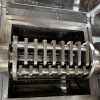
The Resinator XLS Pro addresses material preparation challenges effectively for both extraction methods. It efficiently processes fresh-frozen material into uniform particle sizes. This consistency improves extraction efficiency and final product quality.
Plant processing significantly impacts extraction success. Reducing the biomass prior to live resin extraction increases the percentage of the biomass that is made up of trichomes. This improves solvent contact with trichomes in the extraction process. Uniform particle size also improves ice water hash quality for rosin production. Professional-grade processing equipment reduces variability between batches.
The Resinator XLS Pro is made for high-volume commercial operators who want to increase profits and keep costs low. Its cutting-edge liquid nitrogen technology rapidly chills a spinning chamber, making it easy to create live extracts with or without solvents much faster compared to traditional cannabis preparation methods.
Market Demand and Pricing Analysis
Consumer preferences and market pricing influence extraction method selection and operational design.
Live resin sells for more than non-live hydrocarbon extracts like dry wax or crumble, with premium pricing mostly in immature markets. The consistent potency and appearance appeal to medical marijuana patients. Retail markup typically doubles wholesale prices.
Live rosin has a significantly higher price point—up to two to three times that of live resin per gram. The “clean” extraction method attracts cannabis connoisseurs who are willing to pay more. Keep in mind, however, that production costs also tend to be a lot higher and the scale of production is lower.
Market demand varies by region and consumer demographics. According to extrapolations based on BDSA data:
- Mature markets: Solventless products make up around 24% of extract sales and around 20% of dabbable sales, on average.
- Maturing markets: Solventless products account for around 15-20% of sales.
- Immature markets: Solventless products are likely to represent less than 10% of extract sales.
Solventless products tend to do best in mature markets with educated consumers and a growing base of connoisseurs. Customers in states with a new or maturing cannabis industry tend to prefer legacy products and pricing. Overall, live resin remains the most purchased dabbable extract in the United States.
Advanced Product Applications
Both extraction methods enable diverse product applications beyond traditional concentrates.
Live rosin’s versatility extends to premium vape cartridges. The idea of solventless extraction appeals to connoisseurs who want the highest quality products. Learning how to make live rosin cartridges opens new (top-tier) revenue streams for extractors.
The process requires specialized equipment. This maintains terpene profiles while achieving proper viscosity for vaping applications.
Live resin comes in different textures, like sauce or butter. Each requires specific post-processing techniques. Using hydrocarbon extraction gives extractors a lot of control over how the final product feels by adjusting the purging process.
Safety Considerations for Each Method
Live resin and live rosin extraction methods present different safety requirements.
Live resin extraction involves flammable hydrocarbon solvents. Butane and propane create explosion risks without proper ventilation. Closed-loop systems reduce exposure but require regular safety inspections.
Fire suppression systems are mandatory in most jurisdictions. Safety protocols must meet NFPA (National Fire Protection Association) standards.
Live rosin production eliminates solvent-related hazards. The process only uses cold and water, followed by heat and pressure. Burns from hot pressing plates represent the primary safety concern. Proper protective equipment prevents most injuries. The solventless method also reduces insurance costs and regulatory requirements.
Future Trends in Cannabis Extraction
Cannabis extraction has evolved dramatically over the past five years, while the popularity of concentrates continues to grow. Adult-use cannabis concentrate sales reached around three billion dollars in the United States in 2021 and are expected to surpass 6.5 billion dollars in 2025. Industry developments continue shaping extraction method preferences and techniques.
Automated controls can be used with both methods to track inputs and outputs and keep extracts consistent. Equipment can also be scaled or connected in series, directed from a single control point. Some companies are even using robots to help get the material ready and handle processing. These innovations lower labor costs, standardize output, and make it possible to produce more.
More people are learning about solventless products, so they’re becoming more popular. But since they cost more, not everyone is using them yet.
Rules and regulations also play a part in which extraction methods gain traction. Industry publications like MJBizDaily provide regular updates on regulatory developments to keep cannabis extractors in the loop.
Choosing Between Live Resin and Live Rosin
When it comes to live resin vs live rosin, both extraction methods offer unique benefits and appeal to different market needs.
Live resin is ideal for operations focused on high yields, consistent quality, and efficient large-scale processing. On the other hand, live rosin provides a solventless, clean, premium-quality alternative that resonates with connoisseurs and commands premium pricing. Offering live rosin will elevate a brand, especially if it launches a new product line.
Your choice depends on your budget, production goals, target customers, and willingness to invest in equipment and training. Both methods preserve the valuable cannabinoids and terpenes found in fresh-frozen cannabis, delivering high-quality concentrates that meet the growing demand for premium cannabis products.
Using advanced equipment like the Resinator XLS Pro is a game-changer in terms of both quality and efficiency. It helps process fresh-frozen material before it even enters the extraction system, improving the results whether you’re working with live resin or live rosin. Investing in training and SOPs will help you maximize these benefits.
Understanding the strengths and limitations of the primary cannabis extraction methods will help you make an informed decision that aligns with your business objectives and market trends. You can also schedule a free consultation with one of our experts to talk about the best setup for your extraction project (contact us or schedule your consultation online). The cannabis industry is constantly changing, and being flexible and knowledgeable is essential to staying ahead.