
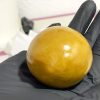
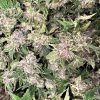
Lyophilization, (or freeze drying), is an alternative to air drying, (or evaporation), that uses low temperatures and pressure to extract moisture efficiently from various substances via sublimation. Lyophilization is commonly known and frequently used in the cannabis industry to dry bubble hash. However, when it comes to freeze drying smokable cannabis flowers, lyophilization serves as a new and revolutionary approach to the dry/cure process entirely.
When using The Original Resinator’s innovative CO2 trimming application to wet-trim your live, (or fresh frozen), buds at low or sub-zero temperatures, you will find that you need to use a commercial or scientific freeze dryer with vacuum control to dry the trimmed buds and/or sugarleaf, (trim), and subsequent live sift, using the most cutting-edge freeze drying methods available today.
Compared to air drying, freeze drying is proving to be a far more efficient way to dry and process cannabis buds, resulting in reduced labor costs, increased potency and terpene retention, significantly faster time to market, better flavors, zero shrinkage, more vivid colors, and the prevention of mold and microbial growth.
The lyophilization process has four stages:
- Freezing phase
- Primary drying phase
- Secondary drying phase
- Vacuum break (and packaging)
Each of these phases needs to be completed correctly to ensure that the freeze dry process is optimized for the most desirable final product—meaning that the buds are the same shape and size as when they went into the freeze dryer, that the flavor isn’t altered, that the preservation of cannabinoids and volatile terpenes is maximized, and that the live dried buds, trim, or bubble hash don’t spoil during storage or transportation.
Phase 1: Freezing Phase
After the material is arranged in the freeze dryer, it is frozen quickly under pressure to turn the free and bound water molecules in the material into ice. Ice crystals form throughout the material—these will disappear in phases 2 and 3.
Phase 2: Primary Drying Phase (“Freeze Drying”)
The frozen material is subjected to higher temperatures, a lower chamber pressure, and negative pressure from a vacuum pump, causing the frozen water to sublimate off the material as vapor without passing through a liquid phase. Around 90-95% of the water content is removed during this phase.
Phase 3: Secondary Drying Phase (“Desorption”)
In this phase, the temperature is raised further to draw out the residual water and get the material to the desired moisture content, which is commonly 0%, but for cannabis buds, this is ideally no lower than 8 to 10%.
The pores where the residual water was originally held retain their shape throughout the process, resulting in a freeze dried material that’s more porous than it would have been if it were air dried. This porosity is advantageous if you plan to press your bubble hash, dry sift, or flower to make live rosin.
“Phase” 4: Vacuum Break, Post-Processing, and Packaging
Once the material in the vacuum chamber reaches the desired moisture content, the vacuum is then broken and the freeze dried product is removed. When the product has had a chance to normalize and cure in a climate controlled environment, the product is now stable and can be prepped and packaged immediately in airtight containers. If you’re freeze drying cannabis buds, you will want to cure them appropriately with this post-lyophilization process:
- Put the buds in an oxygen and moisture-rich environment for a four to eight hour period to reactivate the enzymes that were dormant while under vacuum and frozen in the freeze dryer, to get them to start eating the chlorophyll in the buds.
- Store the buds in turkey bags, tote bins with lids, jars or the like at approximately 60% relative humidity and 60 °F, burping the storage container of choice a couple of times a day.
- When the buds reach moisture levels of around 8 to 10% and the aroma smells right, the buds are ready for a final clean-up, lab-testing, packaging, distribution, and consumption.
How Long Does the Lyophilization Process Take?
Typically, it takes up to 24 hours to dry cannabis buds using the lyophilization process. The reason it takes this long is that the material must be frozen completely through to the core and can’t be raised above its critical temperature or the terpenes could become volatile and the ice crystals could melt into water and damage the product.
However, compared to air drying, we’re talking about significant time savings. Whereas air drying typically takes one to two (plus) weeks and even longer when using best practices, our proprietary freeze drying Crop-to-Cure® process can have your freshly harvested buds ready for the shelf in as little as 24 to 48 hours.
Important Parameters for an Optimal Lyophilization Process
Because the entire lyophilization process happens inside the controlled environment of the freeze dryer chamber, it’s tempting to think that you’ll automatically get perfect results every time. However, the devil’s in the details, and it’s important to know how to optimize each stage of the process with advanced pressure, time, and temperature settings.
- Chamber pressure. In order to remove the frozen water from the material, the chamber pressure must be lower (and the temperature must be higher) than the “triple point value” of the material you’re drying, which is the temperature and pressure at which the solid, liquid, and gas states coexist in equilibrium. You can use a phase diagram to find the triple point of a given substance or material.
- Rate of freezing. Large ice crystals are easier to sublimate than small ice crystals, and it is sometimes necessary to use a slow freezing or annealing process to encourage the crystals to grow larger before moving on to Phase 2. When the product temperature is slightly higher in Phase 1 (resulting in a longer freezing phase), you’re more likely to get larger crystals.
- Rate of freeze drying. The speed of the second phase (freeze drying or sublimation) is also crucial for a good result. If the temperature in the chamber is too high, the ice condenser temperature and vapor pressure will rise, and the material in the chamber could melt and become damaged. While freeze drying has the advantage of being faster than air drying, rushing the process too much can backfire.
Please note: It’s important to mention here that some materials don’t crystallize. Eutectic mixtures of substances will need to be freeze dried below the “eutectic temperature,” and amorphous solids like rubber and gels will need to be freeze dried below the “glass transition temperature” rather than calculating the triple point.
If you purchase your freeze dryer from The Original Resinator, you won’t have to figure out all of the technical details on your own. We include an SOP with every Crop-to-Cure® bundle and offer hands-on, at-scale consulting services through our sister company Industry Processing Solutions.
Additional Tips for Freeze Drying Cannabis Buds, Trim, and Extracts
If you purchase the Crop-to-Cure® bundle, you’ll have an award-winning freeze drying process at your fingertips with all of the exact parameters you need to dry your products correctly.
In addition to the finer details (which you’ll learn in our SOP), there are a few practical things you can do to ensure a great result:
- Pre-freeze the material that you want to dry. This speeds up the first phase for a more efficient drying process.
- Line your freezer trays with parchment paper. This helps to prevent your material from sticking to the trays, makes cleanup between cycles easier, and helps to prevent the transfer of odors from the material to the trays.
- Spread your buds, trim, or wet bubble hash in a thin layer on the freeze dryer trays. Overloading your trays makes it harder for the freeze dryer to extract all of the residual moisture.
- Use our standard operating procedure (SOP) to get the parameters right when drying different materials. This will help you ensure stellar results every time.
For even more tips for an optimal freeze drying process—including key pre and post-processing techniques—check out the exclusive webinar on live dried cannabis that we presented with Cannabis Business Times.
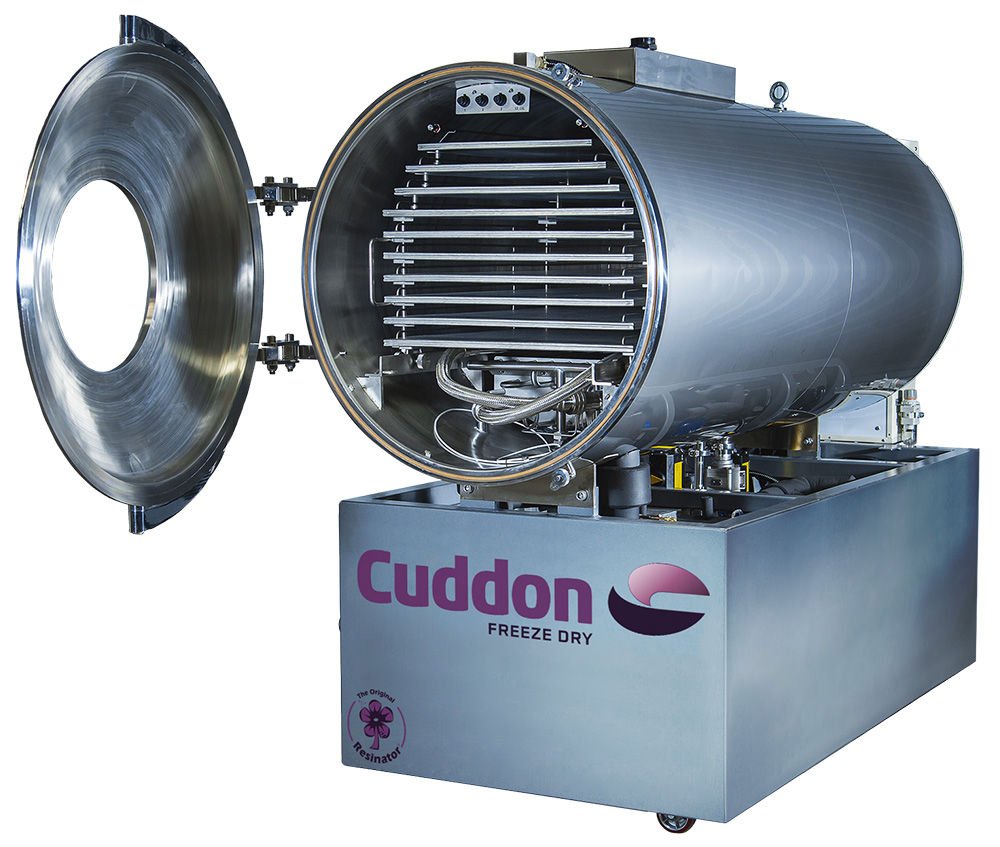
A Cuddon HiLyph HL50 freeze dryer
A Carefully Controlled Lyophilization Process Can Help You Cut Down Drying Times and Increase Shelf Life While Preserving Cannabinoids and Terpenes
Through the process of lyophilization, cannabis growers and extractors can remove the moisture content from buds, trim, and bubble hash using a combination of low temperature and controlled pressure. The ice formed during the solid phase sublimates directly off the sample for a finished product that maintains its original shape, size, color, flavor, smell and potency.
Freeze drying your cannabis correctly not only extends its shelf life but also results in buds, trim, or bubble hash batches that retain their original color as well as their original cannabinoid and terpene profiles. And when bag appeal and flavor can potentially translate to higher sales, it makes sense to get the lyophilization process right.
Are you interested in learning more? Check out our new exclusive white paper about freeze drying cannabis, which includes tips about preserving terpenes while enhancing and increasing cannabinoids.