

Butane hash oil or BHO is a lucrative and popular type of cannabis concentrate to make commercially in both recreational and medical-only states. Butane hash oil (sometimes referred to as butane honey oil) consists of cannabis resin stripped from marijuana plant material using butane, which is a light hydrocarbon. The resulting extract is extremely concentrated and can contain up to 90% THC.
Other light hydrocarbons such as propane, pentane, and hexane are sometimes blended with butane to achieve specific results. While not strictly BHO, these hydrocarbon extracts are produced using similar methods and the final products are similar in nature.
After the extraction process is complete and the residual solvent has been removed via heat and vacuum purging, BHO can be manipulated to create a wide range of textures—including live resin, badder, shatter, sugar, wax, and more. It can also be processed to produce THCA and high terpene extract (HTE)—both of which are currently in high demand.
BHO concentrates can be dabbed, vaped, added to joints, or sprinkled over a bowl. These cannabis concentrates are very popular with consumers because they are potent, flavorful, and cost-effective. Live resin vapes, especially, are much better than distillate-based ones and represent an extremely popular product category.
How to Make BHO Using a Closed-Loop System
Disclaimer: This is a very simplified version of the process, contact us if you want to hire an IPS expert to teach your team how to make BHO like a pro.
Step 1: Prepare Your Starting Material
The way you prepare your starting material makes a huge difference to the efficiency of the process and the quality of the end product. There are three main ways to prepare cannabis trim (or flower) prior to BHO extraction:
- Minimal preparation: You can pack the BHO extraction column(s) with cannabis flower or trim as-is. This will result in a lower overall output but higher selectivity in the compounds extracted.
- Grinding: Some folks like to grind their plant matter before packing the extraction column. Grinding increases throughput but might affect the quality of the final product unless you use a color remediation cartridge (CRC). Packing without grinding results in a lower throughput but better quality. Whether or not to pre-grind is a matter of significant debate and it’s essential to weigh up the pros and cons.
- Biomass reduction/sifting: Sifting your dried or fresh frozen starting material and packing the extraction column with the resulting kief increases extraction efficiency and removes most of the undesirable plant matter for a cleaner extract.
Please note: You will need to use a cryogenic (cold-temperature) sifting machine such as The Original Resinator to separate the kief from fresh-frozen or dried starting material. Sifting dry material without a cryo sifter results in a collapsed yield and takes much longer than it would with a Resinator. You will also need a custom sift sock for the column. This is also available from The Original Resinator catalog.
Pro tip: For hydrocarbon extraction, we recommend starting with fresh frozen source material—not just fresh. However, the updated features of The Original Resinator XLS Pro allow you to use fresh material directly from cut-down instead of having to pre-freeze your plant material prior to sifting. Inquire with a tech from TOR or IPS to learn more.
Step 2: Pack the BHO Extraction Column
Pack your chosen cannabis plant material tightly into the BHO extraction column. The material should spring back when you press down on it.
Some extractors like to use column internals such as Pro-Pak® to improve flow and prevent channeling in their extraction columns (when the butane takes the path of least resistance and doesn’t reach all of the trichomes). Pro-Pak is like Chex cereal but made from stainless steel. It can be recycled and reused. You can also avoid channeling by soaking the material instead of performing a direct pass-through and by draining butane into the column slowly instead of quickly.
Step 3: Run the Butane through the Plant Material
Run the butane through the plant material in the column and check the process through the sight glass.
The solvent will first appear yellow as it pulls out the resin and carries it to your collection vessel. When the solvent runs clear, it’s time to turn it off.
Tip: You can use nitrogen to add the necessary pressure to move the butane through the column at low temperatures. Simply burp the nitrogen out of your gas storage tanks afterward.
Optional Step to Remediate Dark-Colored BHO: CRC
Color remediation cartridges (CRC) can be used to lighten the color and odor of solvent cannabis extracts and remove toxins such as pesticides and heavy metals. These secondary filtration columns follow the initial extraction columns and contain materials such as activated silica gel, activated charcoal, bentonite clay, and/or diatomaceous earth.
It’s essential to ensure adequate filtration and flow when using color remediation cartridges, as under or oversaturation can reduce output and/or quality in the final extract. It’s also important at the beginning to test the extract before and after CRC filtration and make any necessary tweaks to ensure that all of the cannabinoids are making it through the column and that no toxins (such as heavy metals) are being released.
Step 4: Post-Processing
At this point, there are two main pathways you can take. The first is to vacuum purge the crude cannabis oil and subsequently manipulate the purged oil into various textures for dabbing. The second is to crash the oil and cause the separation of THCA and high-terpene extract (HTE). HTE still contains THCA, other cannabinoids, and flavonoids. You will then purge the residual solvents from these extracts separately.
The Vacuum Purging Pathway (for Dabbables)
The vacuum purging process removes most—if not all—of the residual solvent from your extract. This is the process for purging the cannabis oil produced in the BHO extraction process:
- Place the extracted resin in a glass container (such as a ball jar or Pyrex dish) on top of a silicone mat inside the vacuum oven. Burping the oven and muffining the oil for the first 10 minutes helps prevent sticky residue from leaking out during purging.
- Set your vacuum oven to whatever temp you prefer for whatever consistency you’re trying to make.
Tip: Using the lowest possible temperature will minimize terpene loss. We personally recommend a final temperature of 85°F for maximum terpene preservation, although you might need to go as high as 100°F if you’re making shatter. Make sure the vacuum chamber is properly sealed and monitor the temperature to ensure the chamber doesn’t overheat, as this can degrade the terpenes. - Keep an eye on the bubbling of the BHO. Bubbles occur as the butane gas trapped in the extract comes to the surface and the gas evaporates. This bubbling should decrease after hours or days. When the bubbling stops, the liquid butane has been purged from the extract.
The cannabis oil you have at this stage can be processed into a variety of textures and products. Please note that the way the material is run through the system (temperatures, butane mixtures, etc.) also affects the texture, as do the terpenes present in the material itself. So you’ll need to set your parameters strategically in steps 3 and 4 and can then continue to manipulate the BHO with specific temperatures and pressures to create products including (but not limited to):
- Badder
- Shatter
- Pull ‘n’ snap
- Wax
- Crumble
- Sugar
The THCA and HTE Separation Pathway
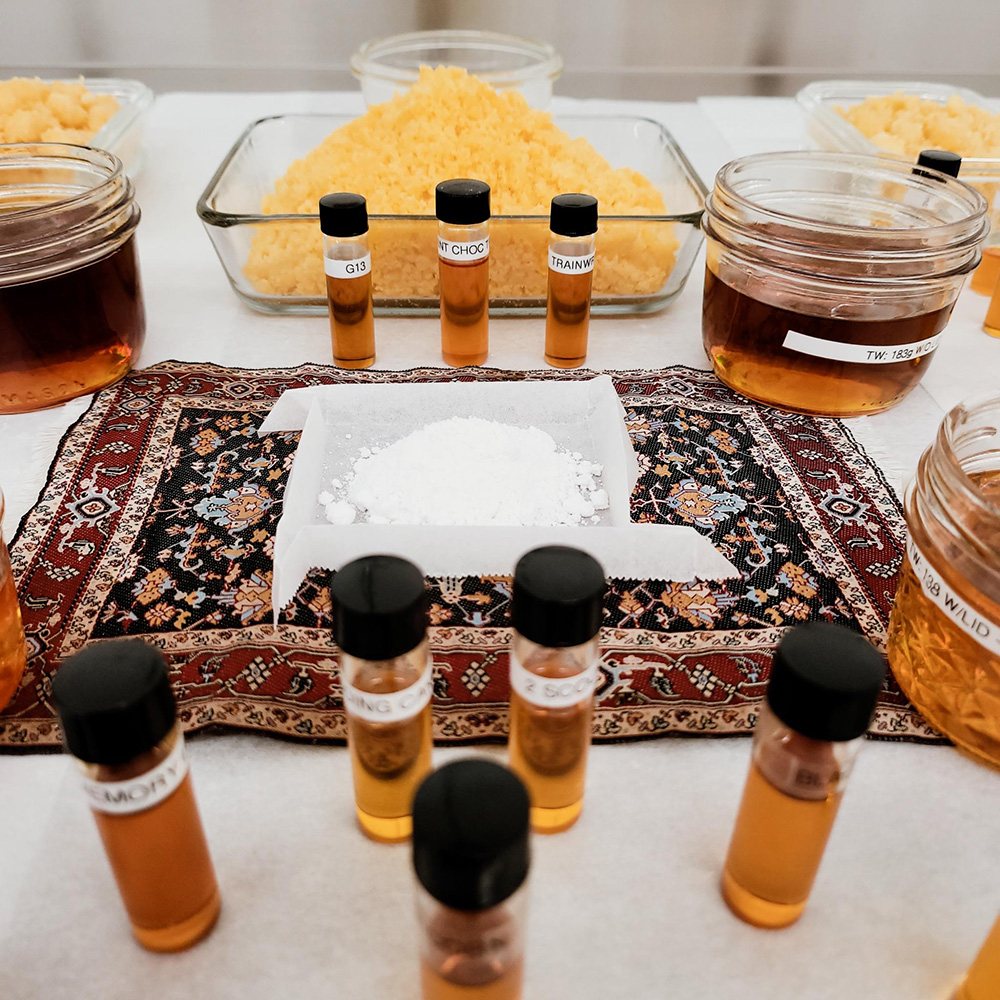
A lot of extraction facilities these days are using fresh frozen material and BHO extraction to make THCA and HTE. THCA and HTE need to be separated prior to purging using jar tech, a diamond mining machine, or alternative machines that encourage the THCA to crystallize and separate from the HTE. The THCA and HTE are then purged of residual solvents separately.
Step 5: Test, Package, Label, and Distribute
Send your extract to the lab for the tests your state requires. In California, cannabis products must be tested for:
- Cannabinoids and terpenes
- Foreign material
- Heavy metals
- Microbial impurities
- Residual solvents and processing chemicals
- Residual pesticides
- Moisture content and water activity
- Mycotoxins
Most states have similar testing requirements but there is some variation. Check with your local laws for your state’s testing requirements.
Once the concentrate has passed the required tests, package and label it according to your state’s requirements and distribute it to dispensaries for sale.
Tips and Warnings
- Storage: Non-live BHO extracts that are packaged in sealed containers can safely be stored at room temperature for a long time. Live resin should be refrigerated.
- Safety warning: BHO extraction should only be attempted by licensed professionals using safety-tested closed-loop systems in a C1D1 room. Blasting cannabis plant matter at home using a can of liquid butane and a BHO extractor tube (typically a glass or stainless steel tube) is extremely dangerous and unnecessary now that safe, professional-grade solutions are readily available.
How to Make the BHO Extraction Process Far More Efficient
There is one key process you can use before BHO extraction to make the entire process far more efficient (and that we alluded to in Step 1): biomass reduction with The Original Resinator. Biomass reduction involves tumbling your dried or fresh-frozen cannabis material in a mesh trimming screen at sub-zero temperatures to separate the kief (whole trichomes) from the plant matter. You can then pack the kief into custom sift socks and subsequently into your hydrocarbon columns instead of whole plant material.
Benefits of Biomass Reduction Prior to BHO Extraction
There are multiple benefits to reducing your biomass with our all-in-one trimming and extraction machine prior to the BHO extraction process:
- Results in a cleaner product.
- Increases overall extraction efficiency by 20-25% using our new Resinator XLS Pro. We personally achieve a complete extraction twice as fast with half the gas. This is an enormous amount of additional profit over the course of months and years when making BHO.
- Preserves more of the cannabinoids and terpenes in the trichomes by maintaining the cold chain.
- Gives you the perfect starting material for live resin extraction.
Pro tip: Want to try it out on a smaller scale before committing to an industrial-size model? Our OG base model is a great place to start.
How to Reduce Biomass Using The Original Resinator
For biomass reduction using The Original Resinator, use our patented Cryo-Sieve® process with our larger mesh trim screens.
- Fit the drum with a 200um or (preferably) a 400µm mesh screen.
- Load the drum with fresh-frozen or dry biomass.
- Inject liquid CO2 into the chamber and complete the Cryo-Sieve® cycle using the settings recommended in our operating guide.
- Collect the kief that has separated from the plant matter and use it as the starting point for the BHO extraction process described above.
Make BHO Faster with Biomass Reduction
BHO extraction is an efficient and effective way to extract the active compounds from cannabis for dabbing, vaping, and other applications. The process is quite safe when performed using closed-loop systems and following the correct safety protocols.
Biomass reduction prior to hydrocarbon extraction makes the entire process far more efficient and helps you save valuable resources. Buy an Original Resinator and optimize your BHO extraction process today!